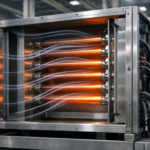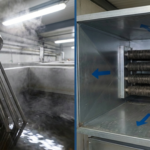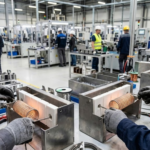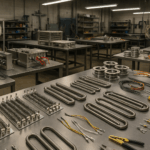



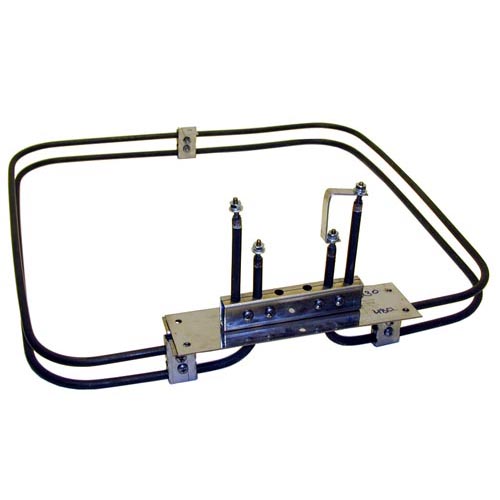
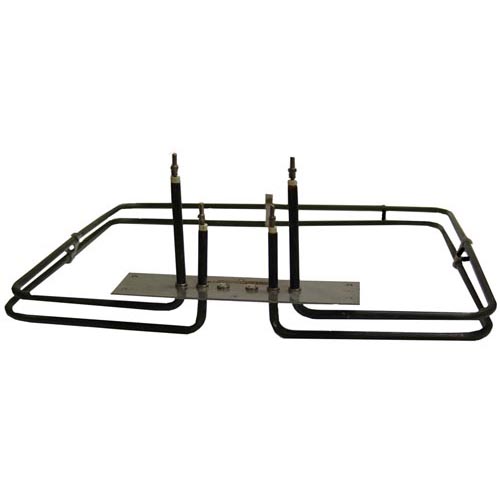


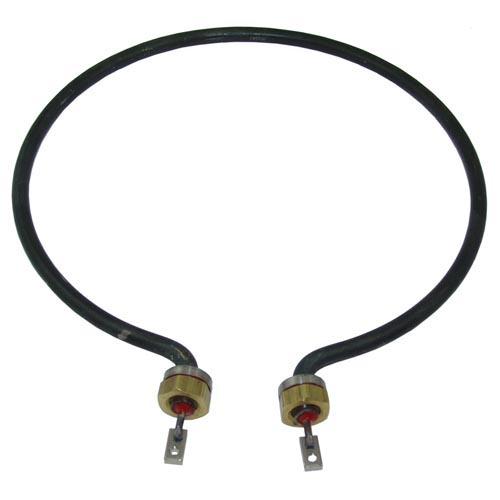
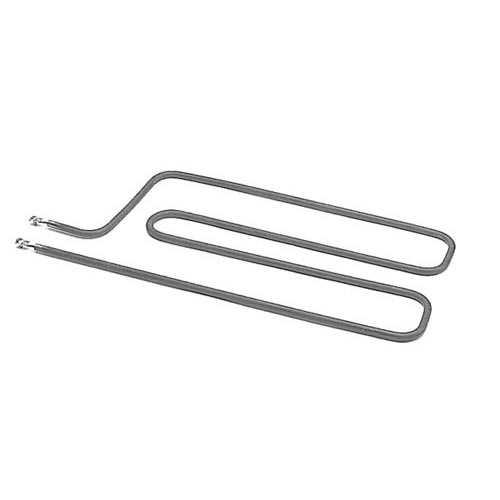
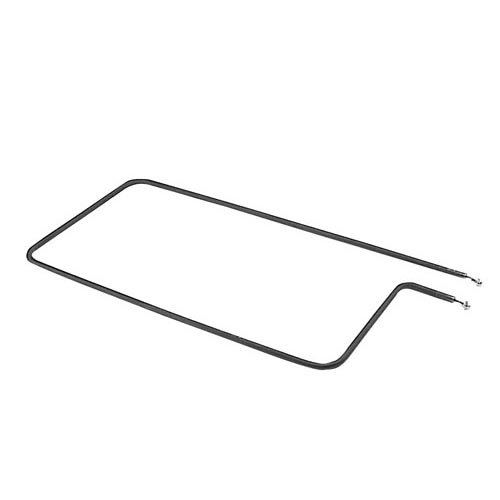


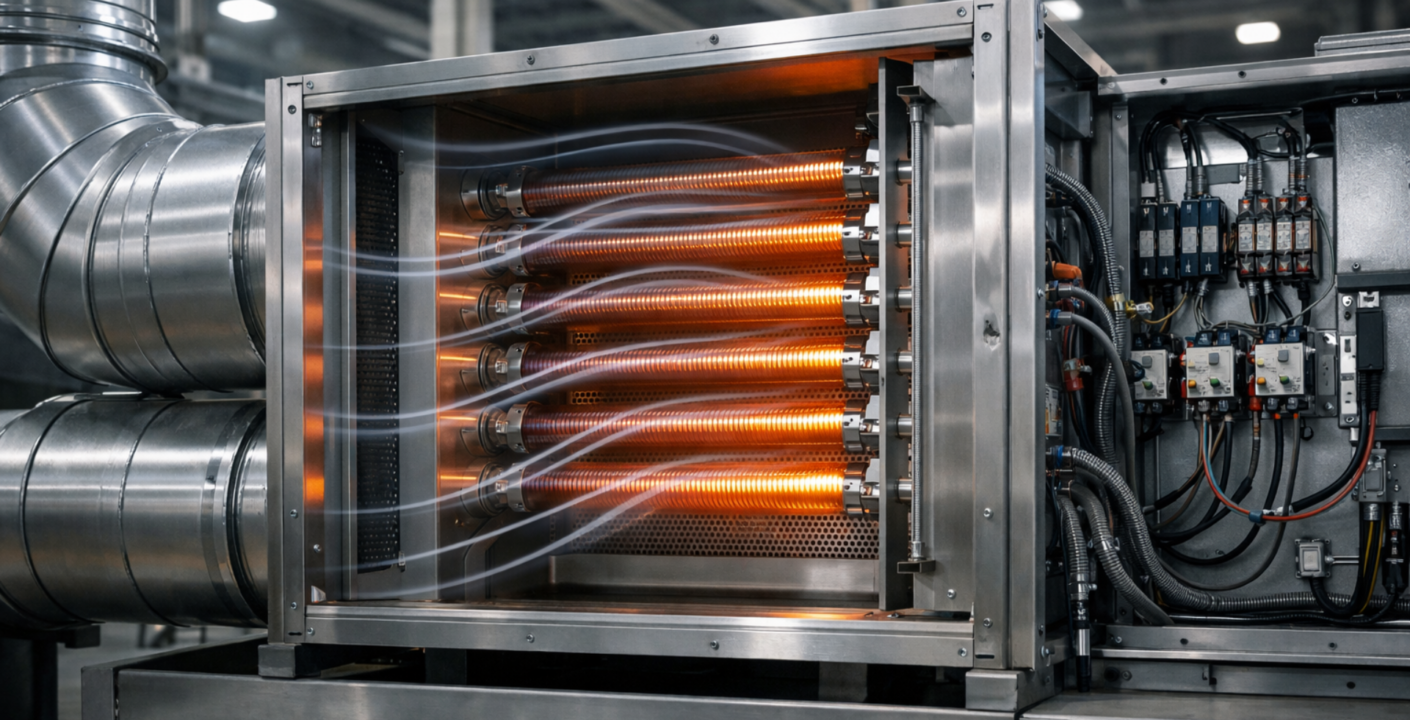
Industrial electric heater design for OEM applications is not a component-level decision. It is a system-level engineering process that directly affects performance, safety, manufacturability, and long-term reliability. For OEM engineers, product designers, procurement teams, and industrial system integrators, the goal is not simply to select a heater, but to engineer a heating solution that aligns with the operational, electrical, mechanical, and environmental realities of the final product.
This blog outlines the core electric heater design considerations that influence successful integration into OEM equipment and industrial systems.
Defining Industrial Electric Heater Design in an OEM Context
Industrial electric heater design refers to the engineering process of specifying heating elements, materials, electrical configurations, and mechanical structures to meet defined thermal performance requirements within a larger system.
In OEM electric heater applications, the heater is rarely standalone. It must integrate into air handling systems, process equipment, enclosures, ovens, or specialized industrial machinery. As a result, design decisions must account for system constraints, airflow behavior, duty cycles, environmental exposure, and manufacturing scalability.
Effective industrial heater engineering begins with understanding the application, not the heater catalog.
In many cases, early electric heater design consulting helps OEM teams evaluate system constraints before finalizing heater geometry or electrical configuration, reducing the risk of redesign during later development stages.
Core Design Variables in Industrial Electric Heater Design
1. Thermal Load Calculation
Thermal load is the foundation of heater specification. It defines how much energy is required to achieve and maintain a target temperature within a given time frame.
Thermal load calculations typically consider:
- Mass or flow rate of the medium being heated
- Required temperature rise
- Ambient heat losses
- System efficiency
- Duty cycle and recovery time
Oversizing increases cost and may introduce unnecessary electrical stress. Undersizing results in continuous operation, overheating, and reduced lifespan. Proper industrial electric heater design begins with an accurate thermal load model.
2. Watt Density in Electric Heater Design
Watt density refers to the power output per unit surface area of the heating element. It is one of the most critical variables in electric heater design considerations.
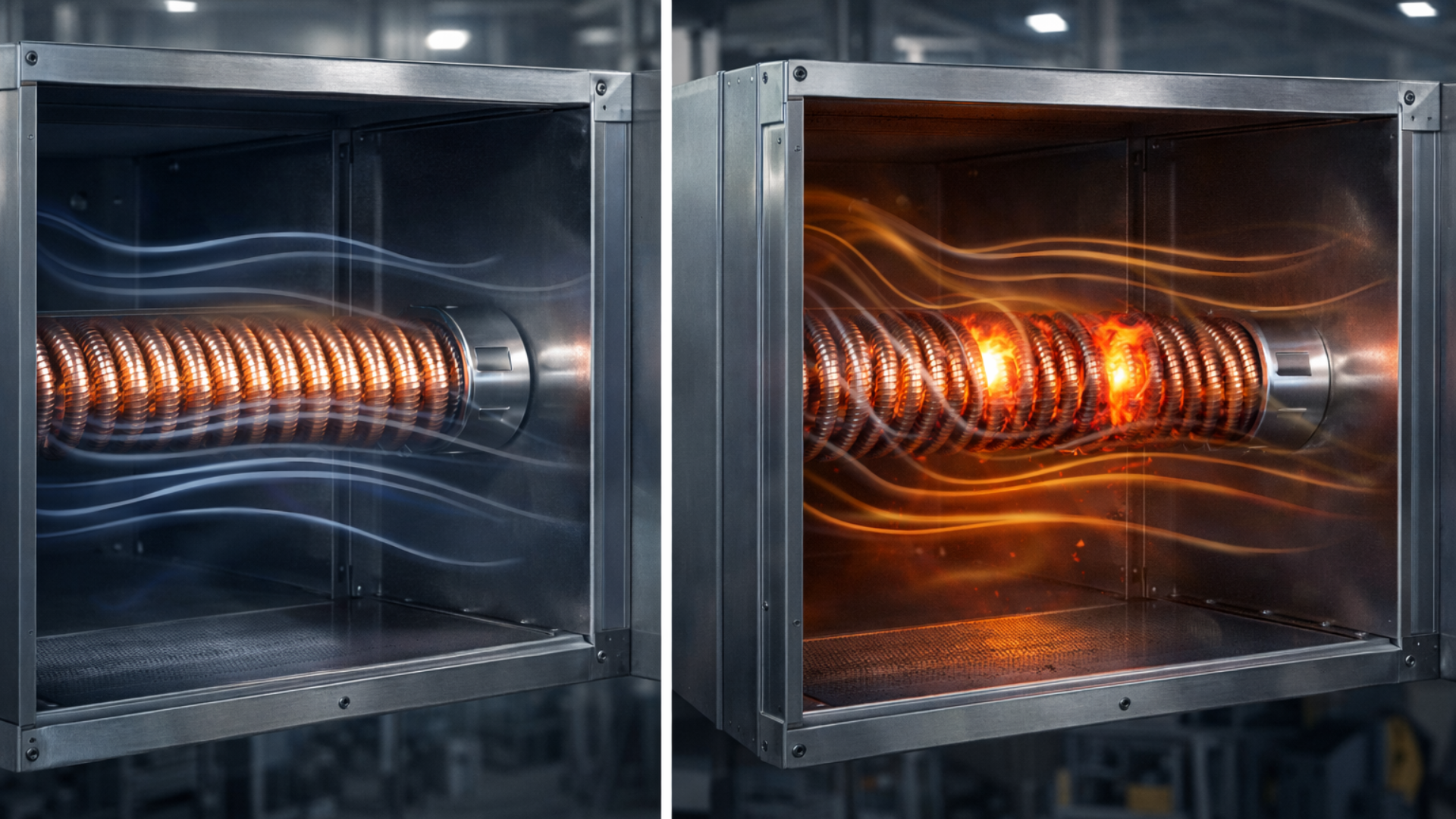
High watt density provides rapid heat response but increases surface temperature and thermal stress. If airflow or heat dissipation is insufficient, elevated watt density accelerates oxidation, material degradation, and element sag.
Low watt density improves reliability and extends heater lifespan, but may require larger physical space or longer warm-up periods.
Selecting the correct watt density requires balancing:
- Available airflow or cooling medium
- Maximum allowable element temperature
- Desired response time
- Operating duty cycle
In OEM electric heater applications, watt density must align with real operating conditions rather than theoretical airflow or ideal system assumptions.
3. Airflow Considerations in Heater Engineering
For air heating systems, airflow is the primary cooling mechanism for heating elements. Airflow considerations in heater engineering directly influence performance and reliability.
Key airflow variables include:
- Velocity across the heating surface
- Uniformity of air distribution
- Duct geometry and obstructions
- Startup and shutdown airflow conditions
Uneven airflow creates localized hot spots. Insufficient airflow during startup can expose elements to excessive surface temperatures before heat is dissipated. These conditions are common causes of premature failure in improperly integrated systems.
Heater placement within ducts or enclosures must ensure stable airflow across the entire heating element. In heater integration for OEM systems, airflow modeling or validation testing significantly reduces long-term reliability risks.
4. Electrical Integration and System Compatibility
Industrial electric heater design must align with the electrical infrastructure. This includes voltage, phase configuration, current capacity, and control strategy.
Design variables include:
- Single-phase versus three-phase configuration
- Terminal design and wiring layout
- Over-temperature protection
- Grounding and compliance requirements
- Control system integration
Improper electrical integration leads to uneven heating, phase imbalance, or excessive terminal heating. Electrical design must support both safe operation and service accessibility.
In OEM environments, heaters are often integrated into control panels or automated systems. Electrical integration must therefore support sensors, thermostats, relays, or closed-loop control logic.
For a broader overview of how thermal load and heater type influence equipment performance, see this guide on how to choose the right industrial electric heater for your application.
Material Selection for Industrial Electric Heaters
Material selection for industrial electric heaters significantly affects durability and compliance.
Critical materials include:
- Resistance wire alloys
- Structural frame materials
- Insulators and supports
- Terminal components
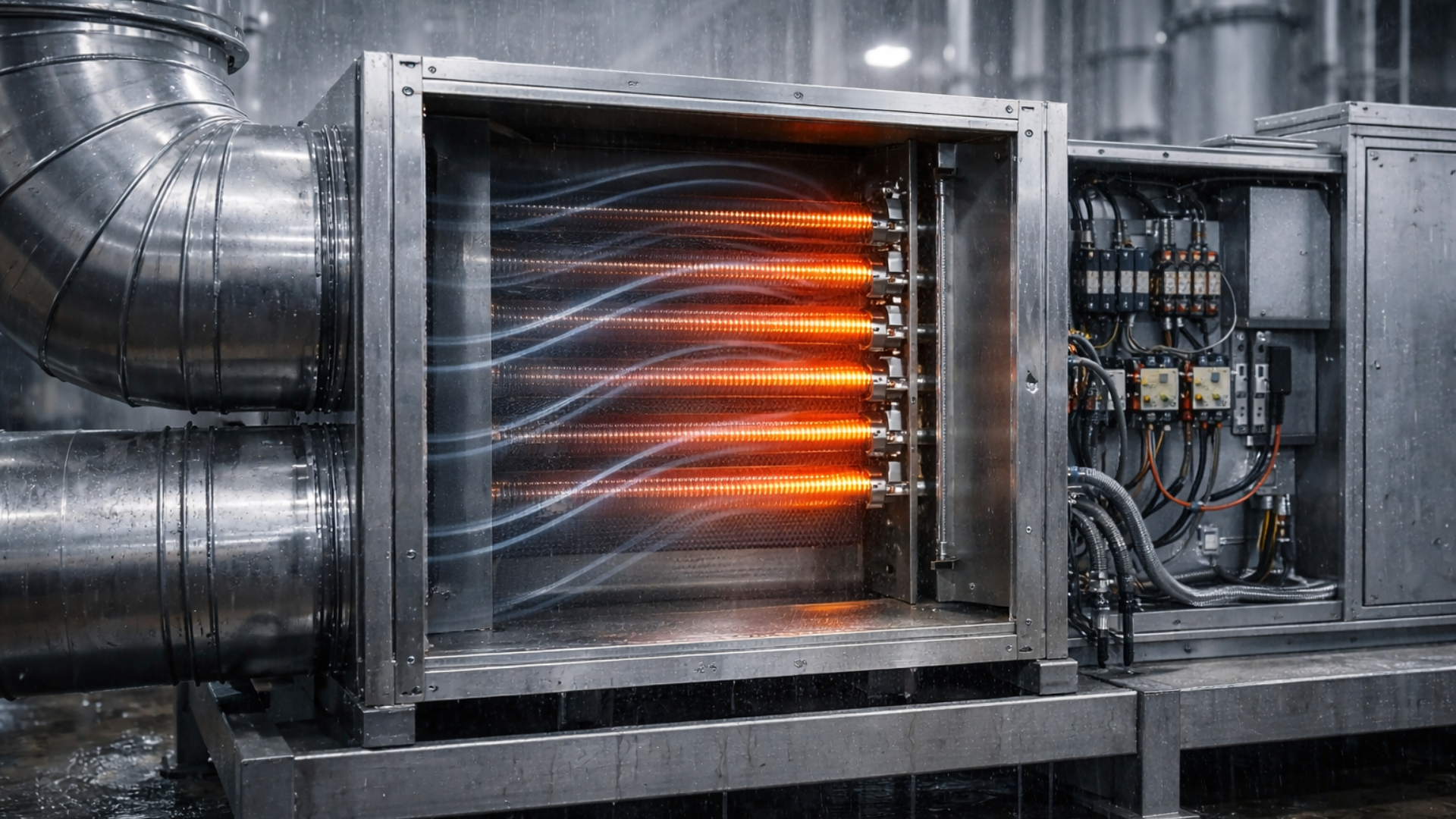
Environmental exposure, such as moisture, corrosive agents, vibration, or high ambient temperature, must influence material selection decisions.
Ignoring environmental conditions often results in heaters that meet specifications on paper but fail prematurely in real-world service.
When failures occur due to environmental stress, structured heater repair services can restore performance and extend system life while addressing root causes.
How to Design an Industrial Electric Heater for OEM Equipment
Designing an industrial electric heater for OEM equipment follows a structured engineering process:
- Define the application and operating conditions
- Calculate thermal load and required power
- Determine acceptable watt density based on airflow or cooling medium
- Model airflow or heat transfer characteristics
- Select appropriate materials for the environment and duty cycle
- Align electrical configuration with system infrastructure
- Validate mechanical integration within the OEM assembly
- Prototype and test under real operating conditions
Successful design requires collaboration between thermal engineers, electrical engineers, and manufacturing teams. The heater must perform thermally while also being manufacturable at scale.
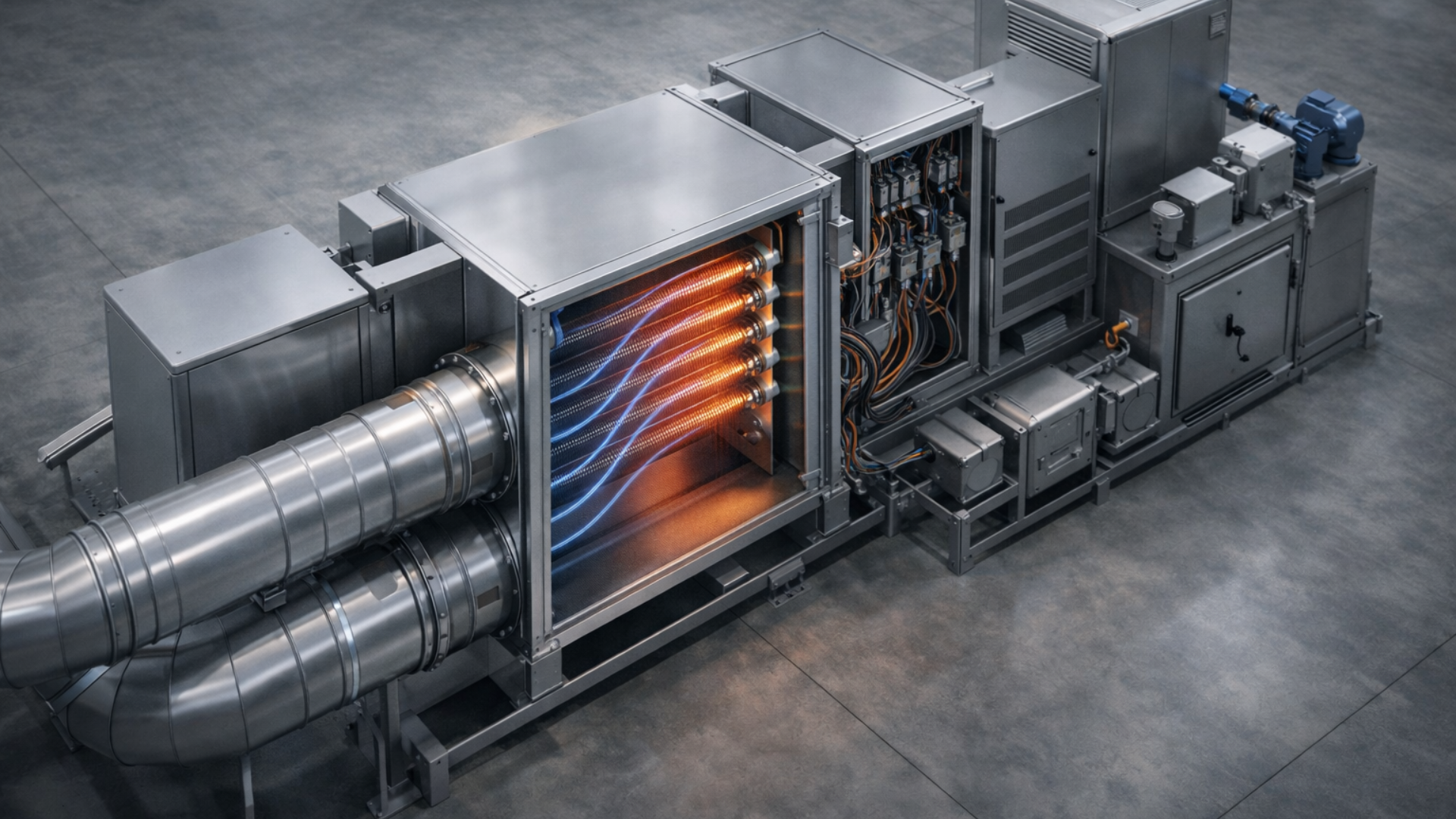
What Factors Affect Industrial Electric Heater Design
Several interconnected variables influence industrial electric heater design:
- Thermal load and required temperature rise
- Available airflow or cooling mechanism
- Watt density limitations
- Electrical supply constraints
- Environmental exposure
- Regulatory and compliance standards
- Physical space constraints
- Maintenance accessibility
- Production scalability
Environmental exposure and regulatory requirements vary significantly depending on the industry. Applications in food processing, medical equipment, industrial manufacturing, or energy systems each introduce different compliance standards, duty cycles, and operating environments. Reviewing the range of industries served helps illustrate how application context directly influences heater engineering decisions.
These factors interact. Changing one variable often affects others. For example, reducing available airflow may require lowering watt density or increasing heater size.
Industrial heater engineering must evaluate these variables collectively rather than independently.
Heater Integration for OEM Systems
Heater integration for OEM systems extends beyond mechanical installation. It involves ensuring compatibility with the broader system architecture.
Integration considerations include:
- Mounting methods and structural support
- Airflow path design
- Vibration isolation
- Thermal expansion allowances
- Service and replacement accessibility
OEM systems often evolve over time. Heater integration must account for future serviceability and potential system modifications.
Poor integration often results in airflow restriction, excessive vibration, or uneven heating that shortens the heater’s lifespan.
Common Design Mistakes in OEM Electric Heater Applications
Several recurring design mistakes reduce reliability:
- Selecting heaters based solely on total wattage
- Ignoring watt density limits
- Overlooking airflow distribution
- Underestimating startup conditions
- Failing to account for environmental contamination
- Neglecting electrical phase balance
- Designing without manufacturability review
Many failures attributed to heater quality are actually the result of integration oversights.
Design for Manufacturability and Reliability
Industrial electric heater design must consider production scalability and long-term performance. Design for manufacturability ensures that heater assemblies can be consistently produced without introducing variability that affects thermal performance.
Reliability-focused design includes:
- Conservative watt density selection
- Stable coil support structures
- Durable insulation systems
- Controlled quality verification
- Functional performance testing
When industrial heater engineering aligns thermal performance with mechanical durability and production repeatability, OEM systems achieve predictable performance across production volumes.
Industrial Electric Heater Design as a System-Level Discipline
Industrial electric heater design for OEM applications is an integrated engineering discipline combining thermal modeling, electrical compatibility, airflow management, material science, and manufacturing strategy.
When thermal load, watt density, airflow considerations, material selection, and electrical integration are engineered together, the result is a heating solution that performs reliably within the broader OEM system.
For application-specific engineering support, heater selection guidance, repair services, or industry-specific integration requirements, Creative Assemblies provides structured solutions across design, manufacturing, and lifecycle support.